

In the ever-changing world of technology, power distribution has long been a crucial element in ensuring the smooth operation of data centers, high-performance computing (HPC) systems, and AI workloads. As industries push the boundaries of what’s possible with AI, machine learning, and other cutting-edge technologies, the role of Power Distribution Units (PDUs) has undergone a major transformation.
Once considered simple “power strips,” PDU solutions have evolved into integral components of today’s intelligent grid systems. They now support high-density racks, enhance operational efficiency, and contribute to sustainability goals, all while safeguarding against cyber threats. This article delves into the current trends shaping the PDU industry, focusing on their growing importance in powering AI-driven operations, blockchain, cryptomining, and data centers.
High-Density Power for AI and HPC Workloads
Meeting the Demands of AI and High-Performance Computing
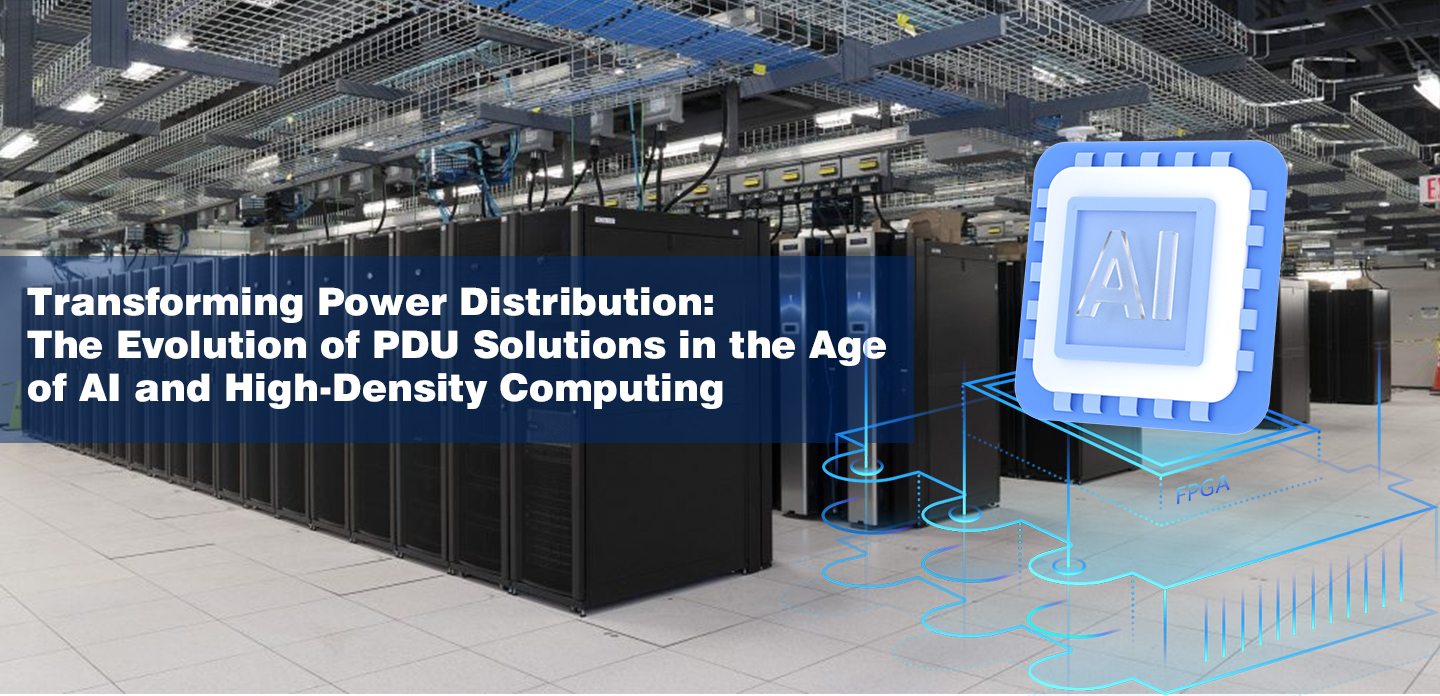
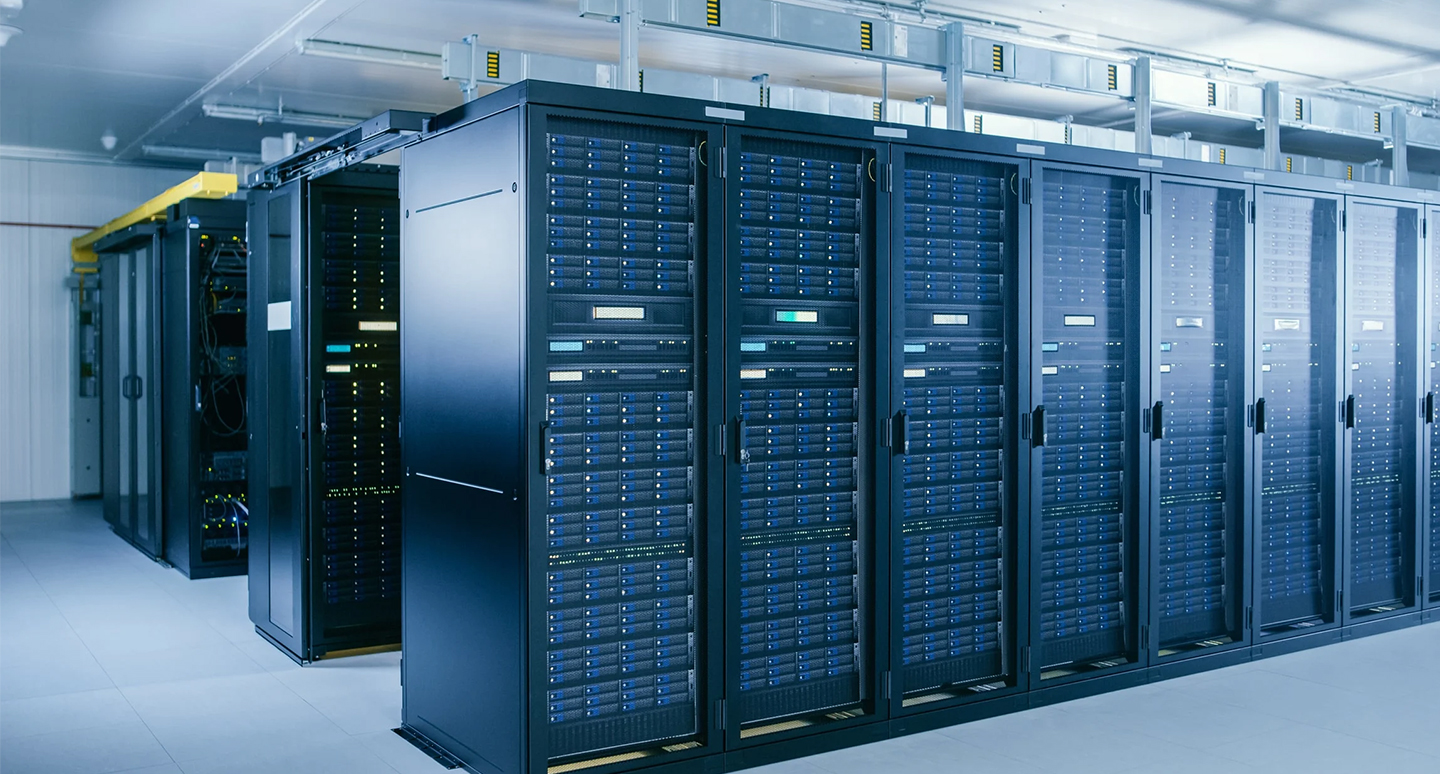
With the rise of AI-driven workloads and high-performance computing (HPC), data centers are seeing a significant increase in power demand. The power requirements for AI factories—where large-scale AI models are trained and deployed—are pushing the limits of traditional rack mount PDUs.
Historically, PDUs were designed to handle racks consuming anywhere between 5 kW and 15 kW. However, the rapid growth of AI and HPC applications is pushing rack power densities to 50 kW to 100 kW, requiring PDUs capable of supporting such high capacities. These new high-density setups are often powered by 415V three-phase power feeds and high-amperage PDUs (60A+), which are essential for maintaining stability in environments where power consumption is at an all-time high.
The trend towards high-density power distribution in AI-driven environments requires a careful balance of power efficiency and reliability. In these settings, even a small disruption in power distribution can lead to significant losses in performance and data integrity. That’s why businesses need to adopt intelligent PDUs that not only meet power demands but also ensure continuous and optimized performance for AI and HPC workloads.
The Shift Towards Intelligent PDUs
Why Intelligent PDUs Are Changing the Game
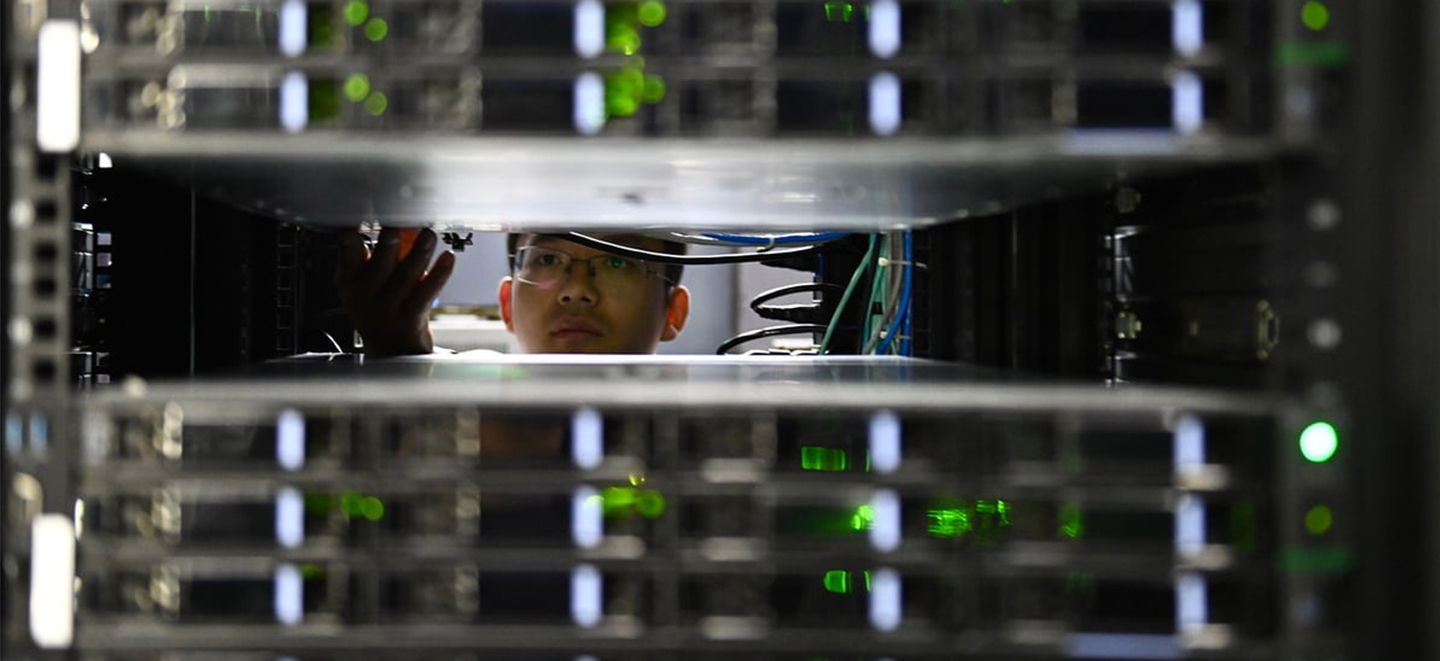
The next evolution in PDU technology is the shift from traditional, passive PDUs to intelligent, software-defined units. As data centers become more complex and interconnected, the need for smart, self-monitoring systems has never been greater.
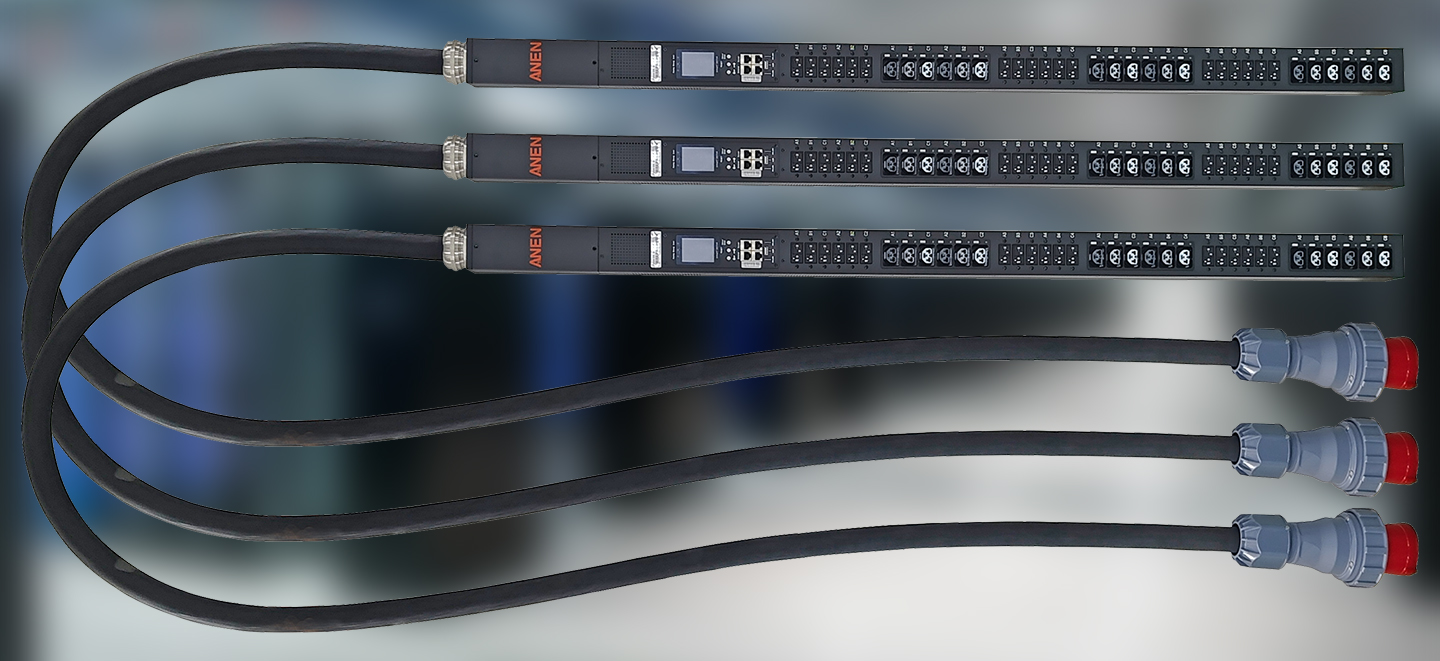
Modern intelligent PDUs incorporate features like predictive analytics, which help prevent costly disruptions by forecasting issues like breaker trips or overheating before they occur. With the ability to monitor power consumption at a granular level, these PDUs allow for dynamic load shedding and efficient power distribution.
In colocation data centers, where power usage directly translates to revenue, the ability to meter power at the outlet level enables usage-based billing. This allows data center operators to more accurately charge tenants for the power they use, leading to improved financial performance. Some companies have reported revenue gains of 12–18% per cabinet after transitioning to these intelligent PDUs.
The shift to smart PDUs also contributes to better overall energy efficiency, with advanced load balancing features that optimize power delivery across all equipment. With more businesses relying on cloud computing, blockchain, and other data-intensive applications, PDUs with built-in intelligence are becoming indispensable for ensuring optimal performance.
Strengthening Cybersecurity in Power Distribution Systems
The Rising Threat of Cybersecurity Risks
As PDUs become more connected, they also become more vulnerable to cyberattacks. Power systems that were once isolated from the broader network are now an integral part of the digital infrastructure, creating new opportunities for cybercriminals to exploit vulnerabilities.
Cybersecurity for PDUs has therefore become a critical consideration for enterprises. 802.1X authentication and Redfish API automation are now industry standards that ensure only authorized users can access and control PDU settings. These security protocols help protect sensitive infrastructure, especially in environments that rely on HPC or cryptomining, where operational continuity is vital to profitability.
In addition, as PDUs become more sophisticated and networked, they are expected to meet stricter security standards. Companies need to adopt secure PDUs that offer strong protection against potential threats, safeguarding everything from server racks to AI data centers.
Liquid Cooling and the Evolving Role of PDUs
Adapting PDUs for Liquid-Cooled Data Centers
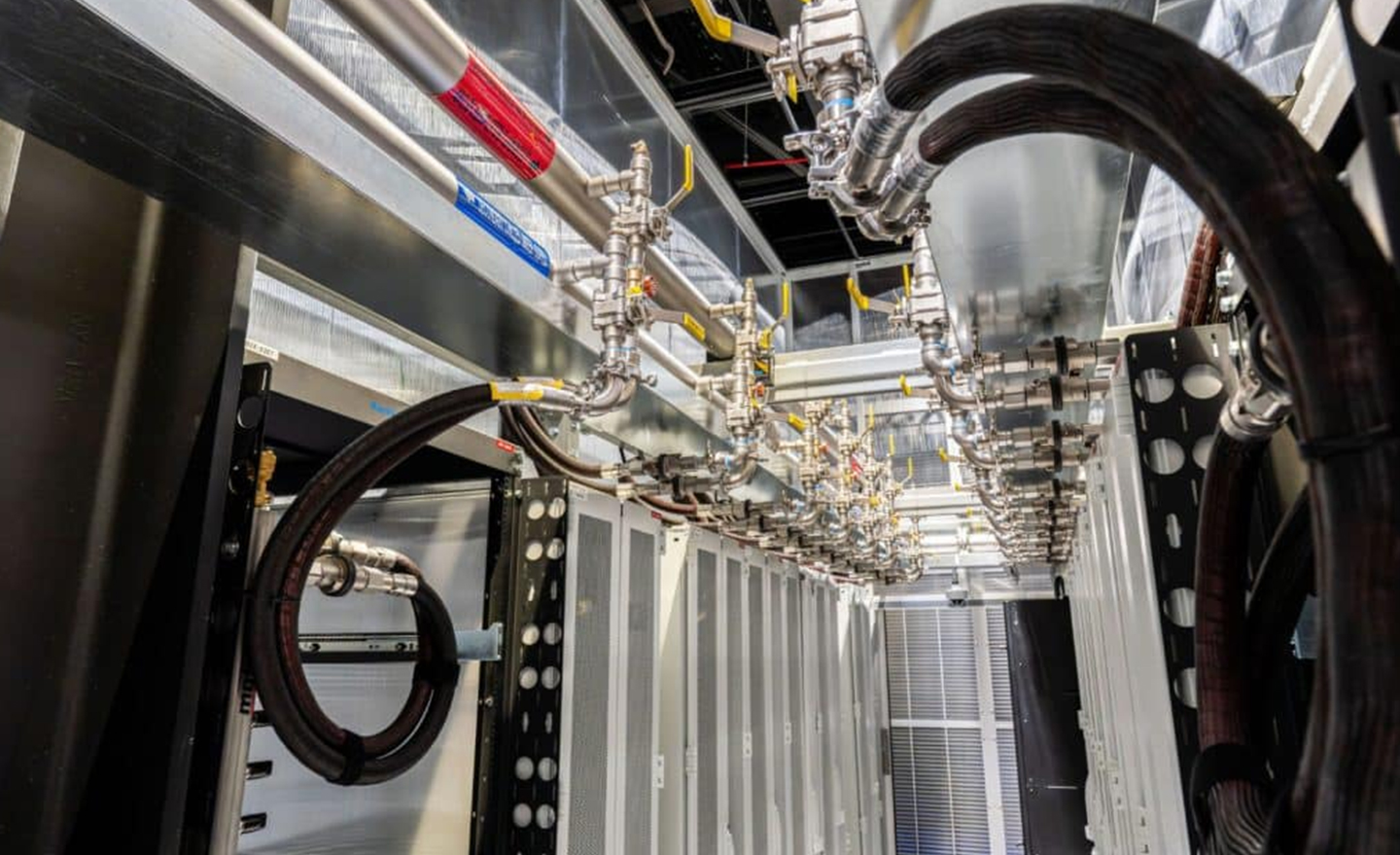
Data centers are increasingly transitioning to liquid cooling systems to handle the growing heat output of high-performance systems. Direct-to-chip cooling and immersion cooling are among the most popular liquid cooling methods, but these systems require PDUs that can operate safely and efficiently in environments with high humidity or even direct exposure to moisture.
To meet the needs of these advanced cooling setups, manufacturers have developed slim-profile PDUs and side-mount PDUs that can fit into the limited rack space left after installing cooling manifolds. These specialized PDUs ensure that power distribution doesn’t interfere with the cooling system, which is essential in environments where temperature control is critical to maintaining system performance and uptime.
Furthermore, newer PDUs are equipped with leak-detection sensors and moisture alarms to prevent damage to sensitive electrical components. This added layer of protection is particularly important in cryptomining and blockchain operations, where the continuous running of machines is essential for profitability.
Strengthening Cybersecurity in Power Distribution Systems
The Rising Threat of Cybersecurity Risks
As PDUs become more connected, they also become more vulnerable to cyberattacks. Power systems that were once isolated from the broader network are now an integral part of the digital infrastructure, creating new opportunities for cybercriminals to exploit vulnerabilities.
Cybersecurity for PDUs has therefore become a critical consideration for enterprises. 802.1X authentication and Redfish API automation are now industry standards that ensure only authorized users can access and control PDU settings. These security protocols help protect sensitive infrastructure, especially in environments that rely on HPC or cryptomining, where operational continuity is vital to profitability.
In addition, as PDUs become more sophisticated and networked, they are expected to meet stricter security standards. Companies need to adopt secure PDUs that offer strong protection against potential threats, safeguarding everything from server racks to AI data centers.
Liquid Cooling and the Evolving Role of PDUs
Adapting PDUs for Liquid-Cooled Data Centers
Data centers are increasingly transitioning to liquid cooling systems to handle the growing heat output of high-performance systems. Direct-to-chip cooling and immersion cooling are among the most popular liquid cooling methods, but these systems require PDUs that can operate safely and efficiently in environments with high humidity or even direct exposure to moisture.
To meet the needs of these advanced cooling setups, manufacturers have developed slim-profile PDUs and side-mount PDUs that can fit into the limited rack space left after installing cooling manifolds. These specialized PDUs ensure that power distribution doesn’t interfere with the cooling system, which is essential in environments where temperature control is critical to maintaining system performance and uptime.
Furthermore, newer PDUs are equipped with leak-detection sensors and moisture alarms to prevent damage to sensitive electrical components. This added layer of protection is particularly important in cryptomining and blockchain operations, where the continuous running of machines is essential for profitability.
Post time: Mar-18-2026